
How to Verify Control Surface Feedback
1. Necessity of Control Surface Inspection
Control surface feedback directly determines whether the flight controller system responds correctly to RC transmitter inputs. Incorrect control surface directions can lead to control errors and even directly cause a crash.
Therefore, a control surface inspection must be performed before every flight.
Control surface inspections help us:
- Ensure control surface feedback in Manual mode is consistent with RC transmitter inputs;
- Ensure that in Stabilize mode, the flight controller's automatic correction direction is correct;
- Timely detect servo installation or setup errors to avoid crashes.
2. Control Surface Inspection for Conventional Aircraft (T-Tail / Inverted T-Tail)
a. Control Surface Feedback Inspection in Stabilize Mode
Important
Switch flight mode to FBWA (AP) / ANGLE (INAV)
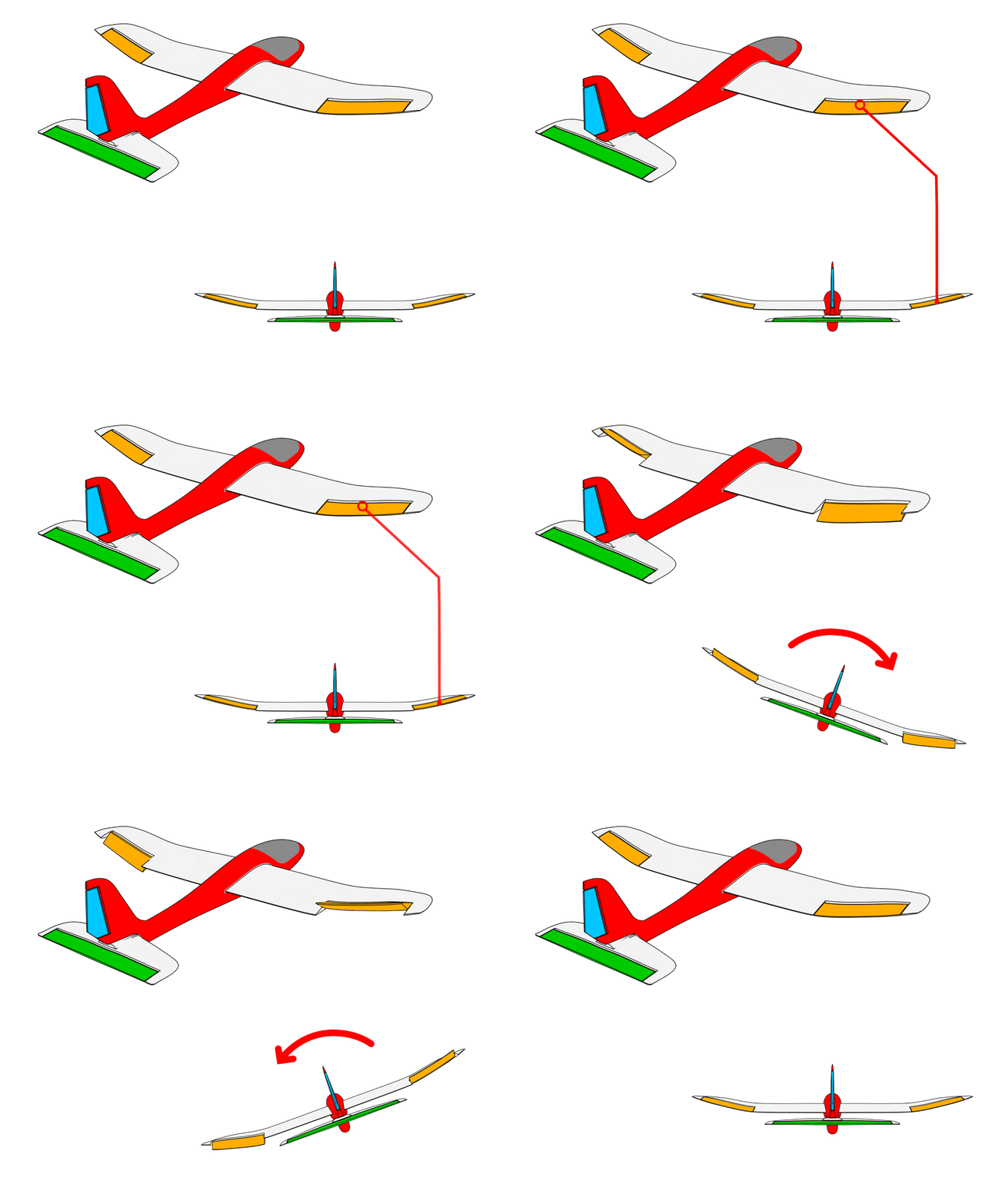
- When the aircraft rolls left, the left wing control surface moves down, and the right wing control surface moves up.
- When the aircraft rolls right, the left wing control surface moves up, and the right wing control surface moves down.
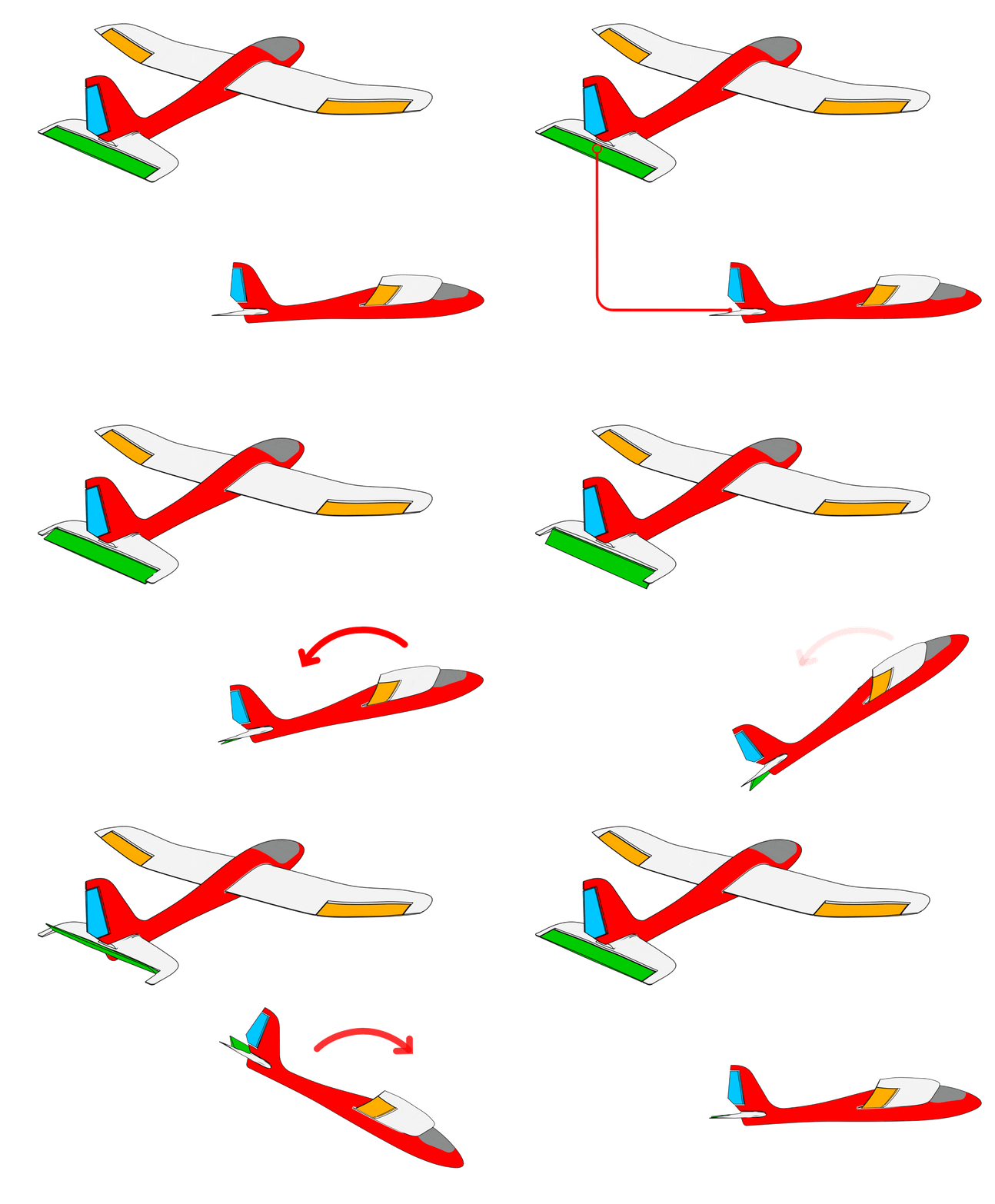
- When the aircraft pitches up, the elevator control surface moves down.
- When the aircraft pitches down, the elevator control surface moves up.
Important
In a stabilized state, if the rudder input from the RC transmitter is correct, the stabilized rudder feedback must be correct. If the stabilized feedback is incorrect, please check the rudder feedback from the RC transmitter.
b. Control Surface Feedback Inspection for RC Transmitter Inputs
Important
Switch flight mode to ACRO (AP) / ACRO (INAV)
When moving the aileron stick left, the feedback is the left wing control surface moving up and the right wing control surface moving down.
When moving the aileron stick right, the feedback is the left wing control surface moving down and the right wing control surface moving up.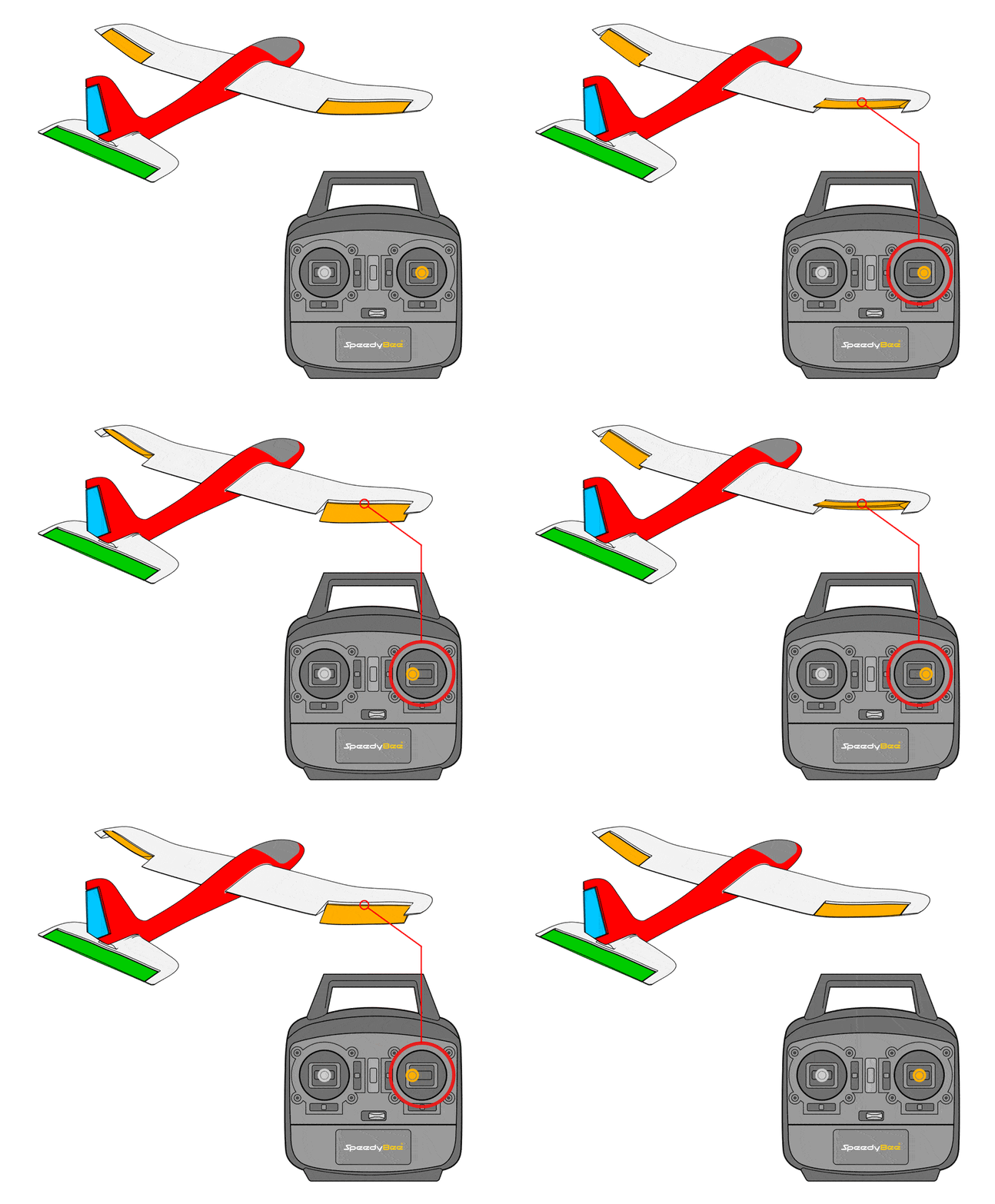
- When moving the elevator stick up, the feedback is the elevator control surface moving down.
- When moving the elevator stick down, the feedback is the elevator control surface moving up.
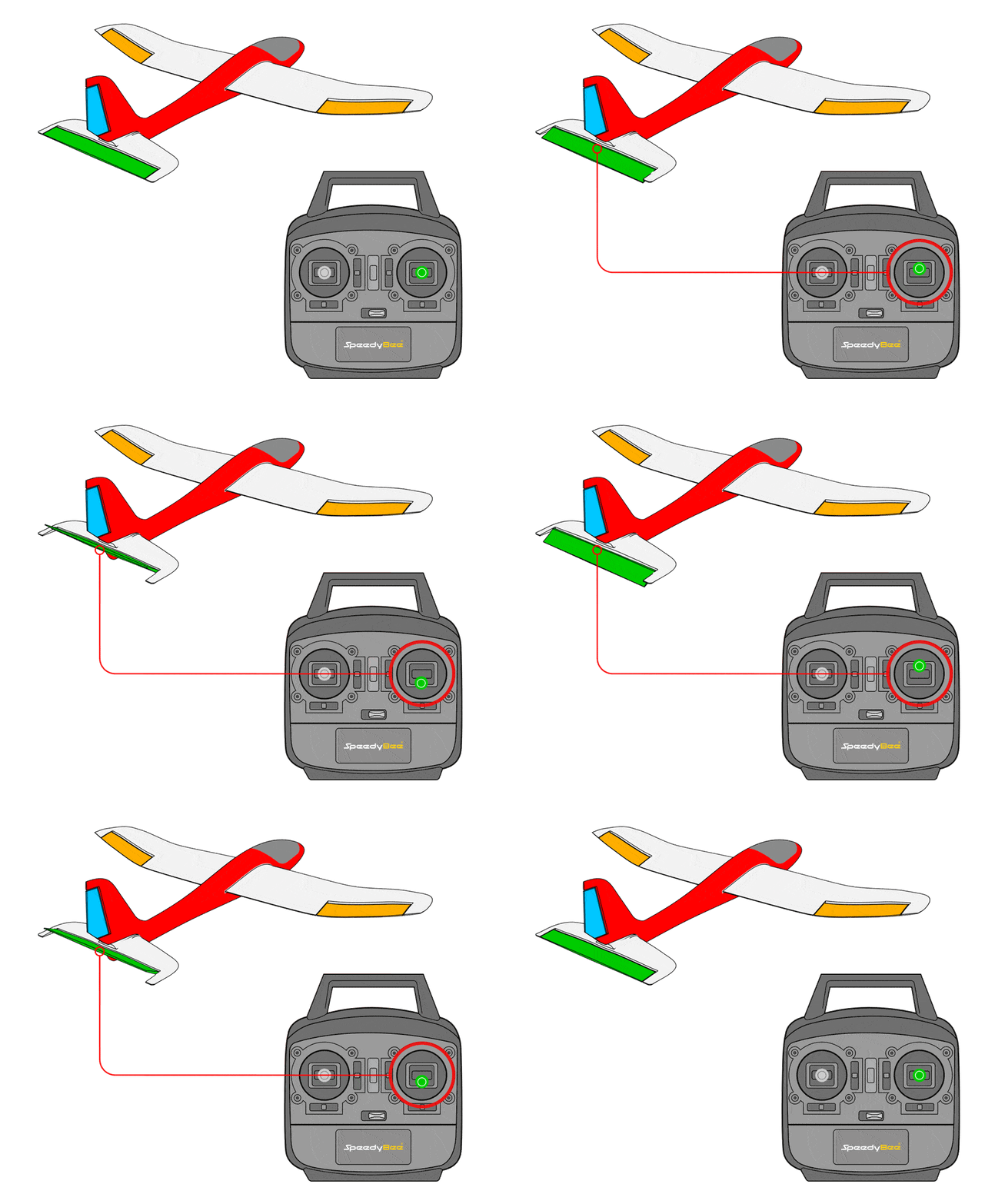
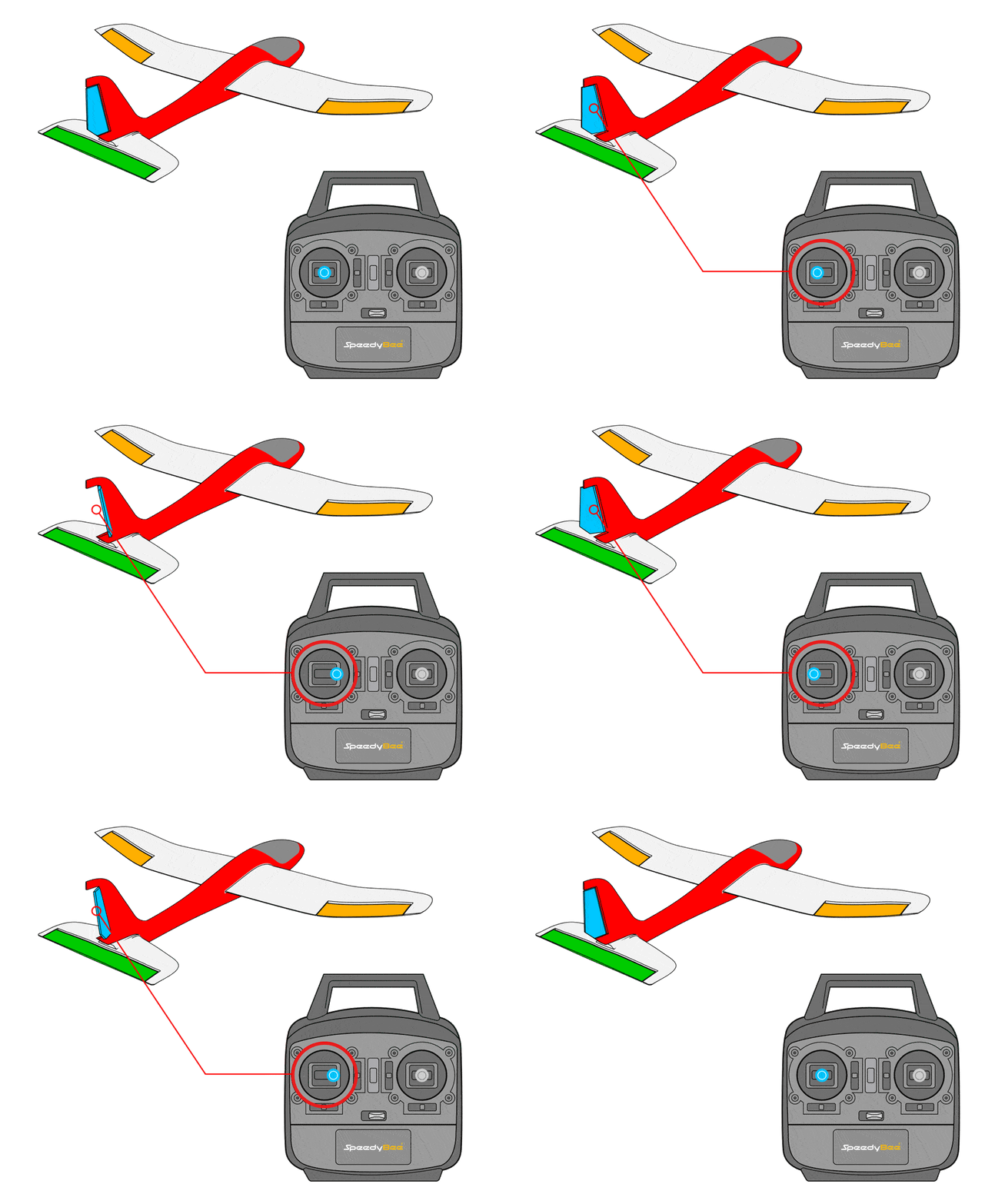
- When moving the rudder stick left, the feedback is the rudder control surface moving left.
- When moving the rudder stick right, the feedback is the rudder control surface moving right.
3. Control Surface Inspection for V-Tail Aircraft (Elevator and Rudder Mixing)
a. Control Surface Feedback Inspection in Stabilize Mode
Important
Switch flight mode to FBWA (AP) / ANGLE (INAV)
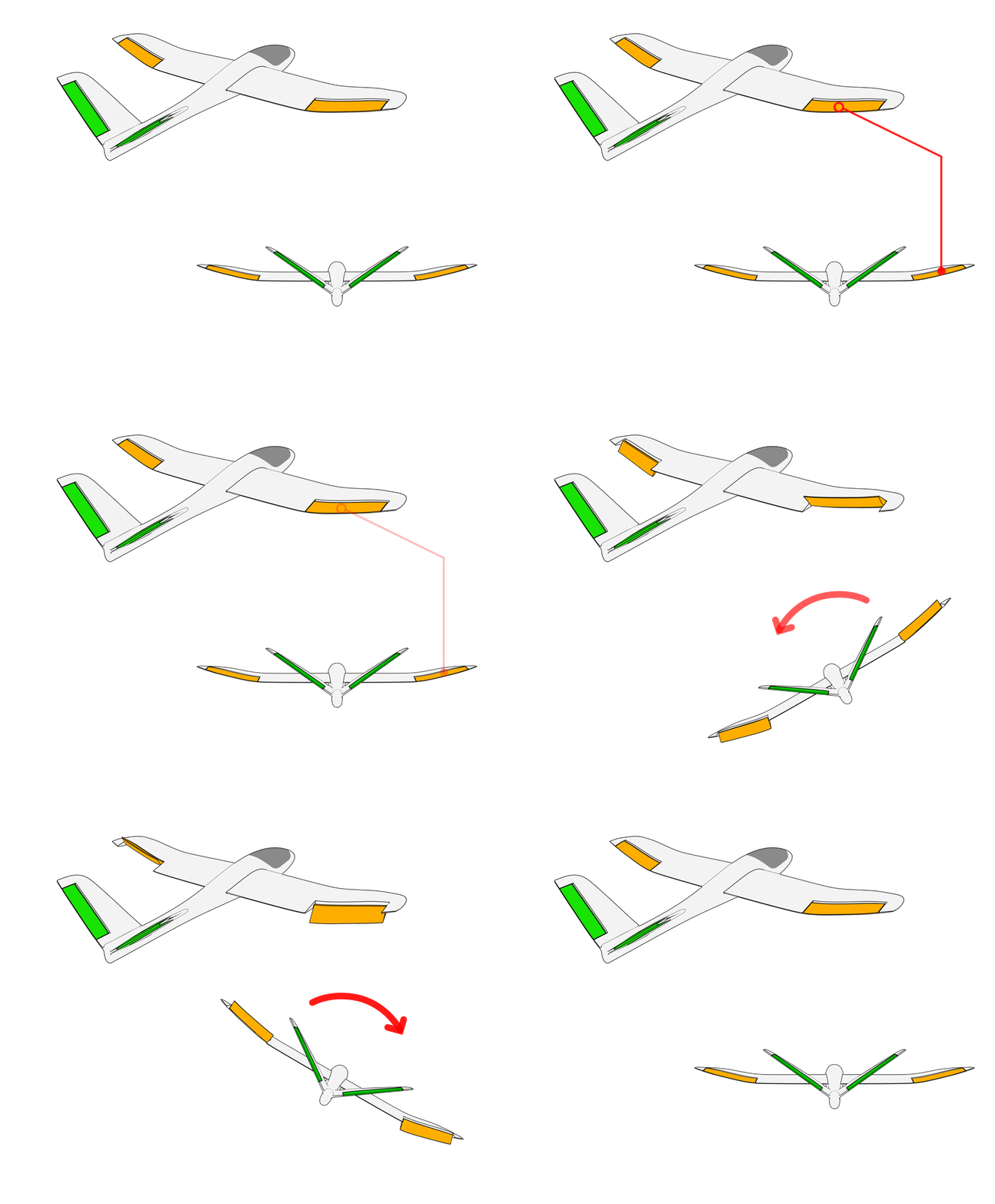
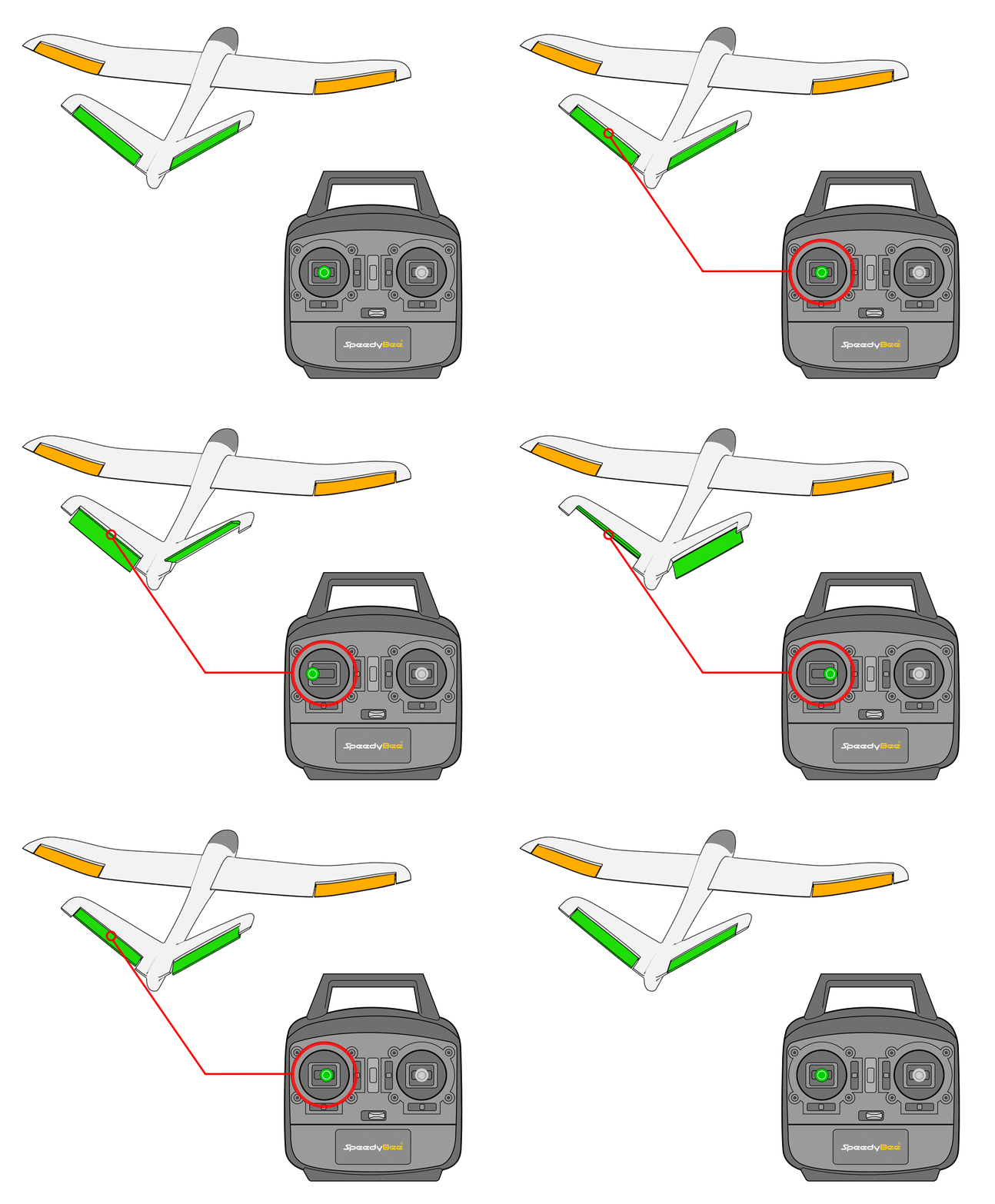
- When the aircraft rolls left, the left wing control surface moves down, and the right wing control surface moves up.
- When the aircraft rolls right, the left wing control surface moves up, and the right wing control surface moves down.
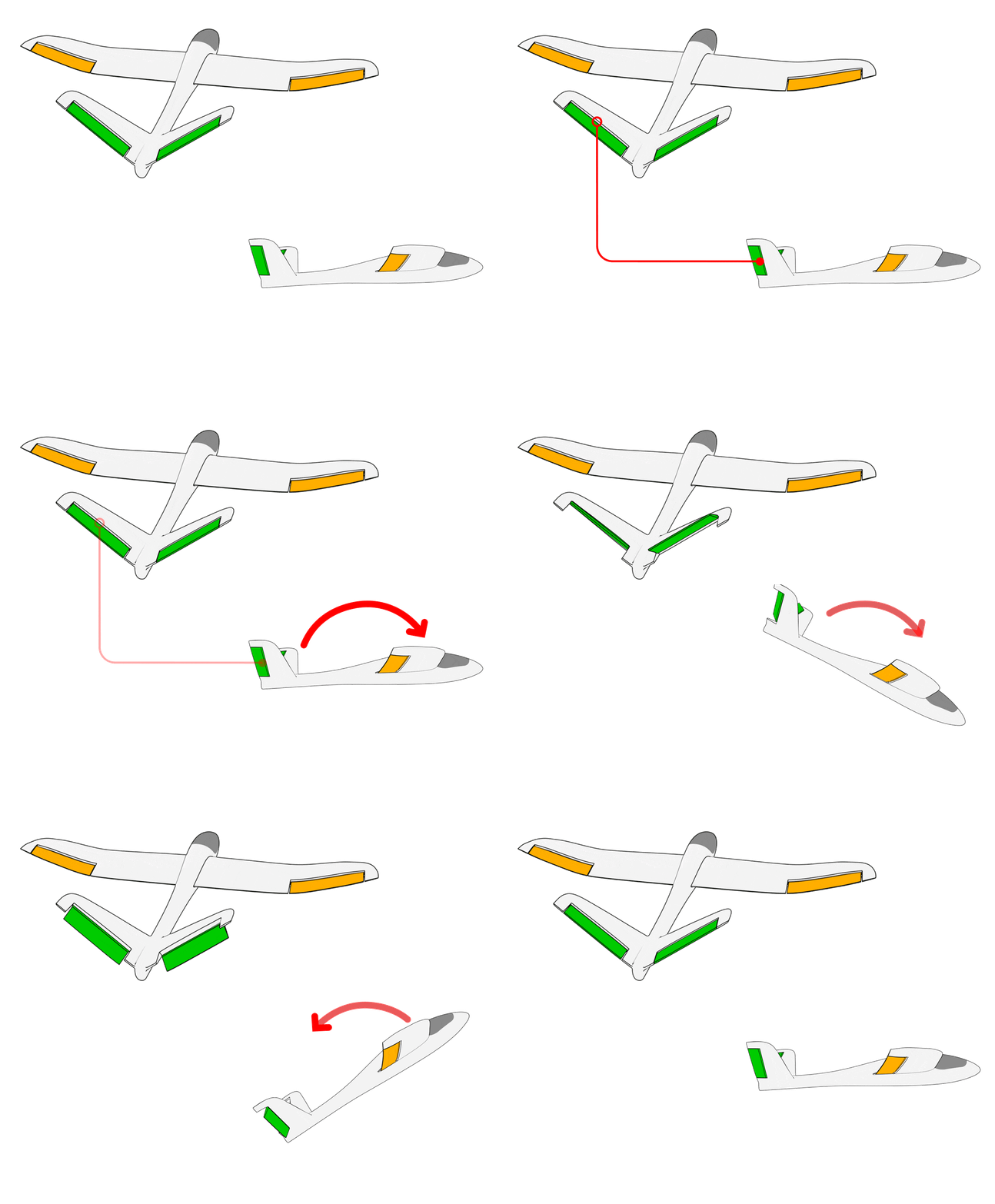
- When the aircraft pitches up, the feedback is both control surfaces moving down simultaneously.
- When the aircraft pitches down, the feedback is both control surfaces moving up simultaneously.
Important
In a stabilized state, if the rudder input from the RC transmitter is correct, the stabilized rudder feedback must be correct. If the stabilized feedback is incorrect, please check the rudder feedback from the RC transmitter.
b. Control Surface Feedback Inspection for RC Transmitter Inputs
Important
Switch flight mode to ACRO (AP) / ACRO (INAV)
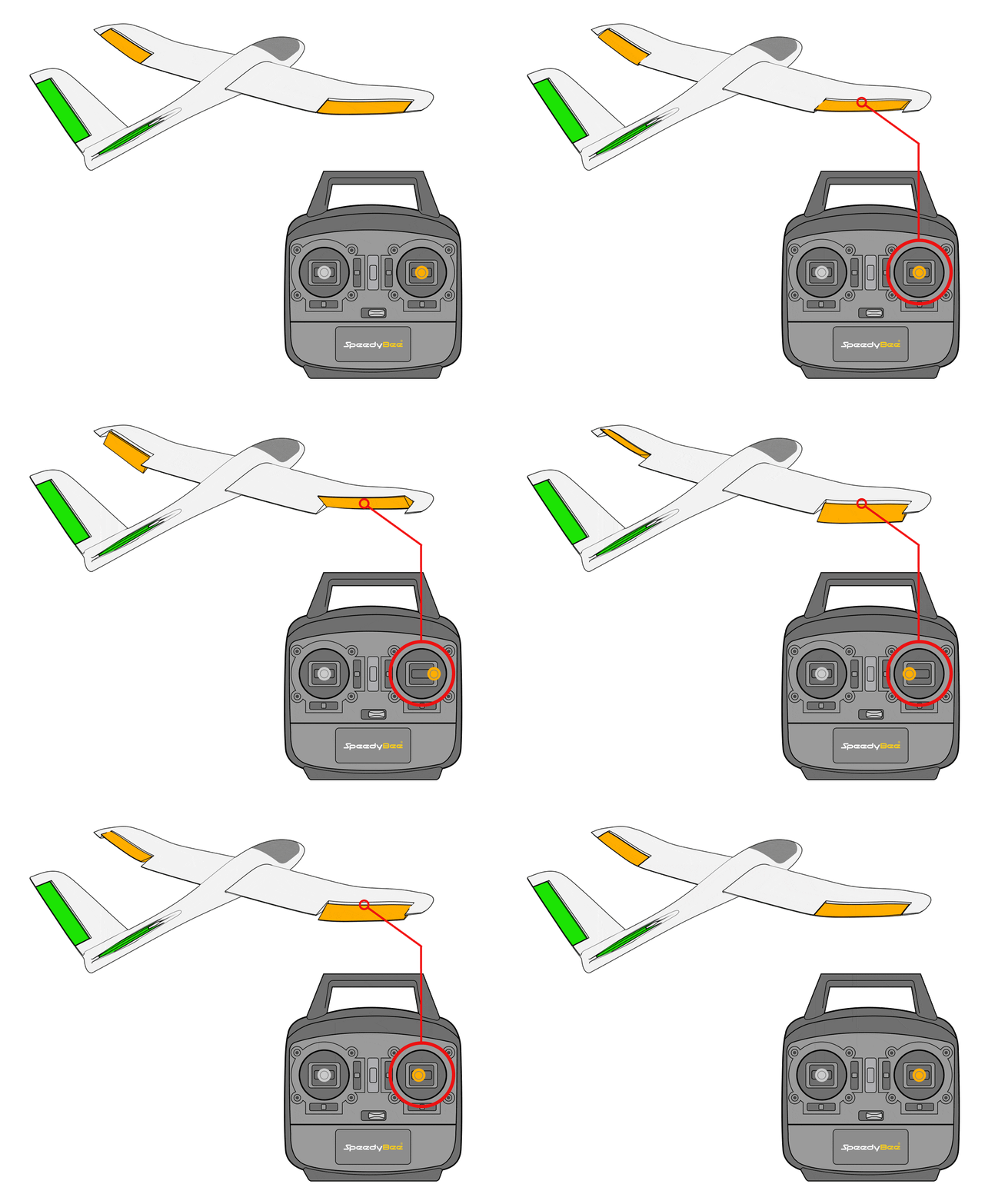
- When moving the aileron stick left, the feedback is the left wing control surface moving up and the right wing control surface moving down.
- When moving the aileron stick right, the feedback is the left wing control surface moving down and the right wing control surface moving up.
- When moving the elevator stick up, the feedback is both control surfaces moving down simultaneously.
- When moving the elevator stick down, the feedback is both control surfaces moving up simultaneously.
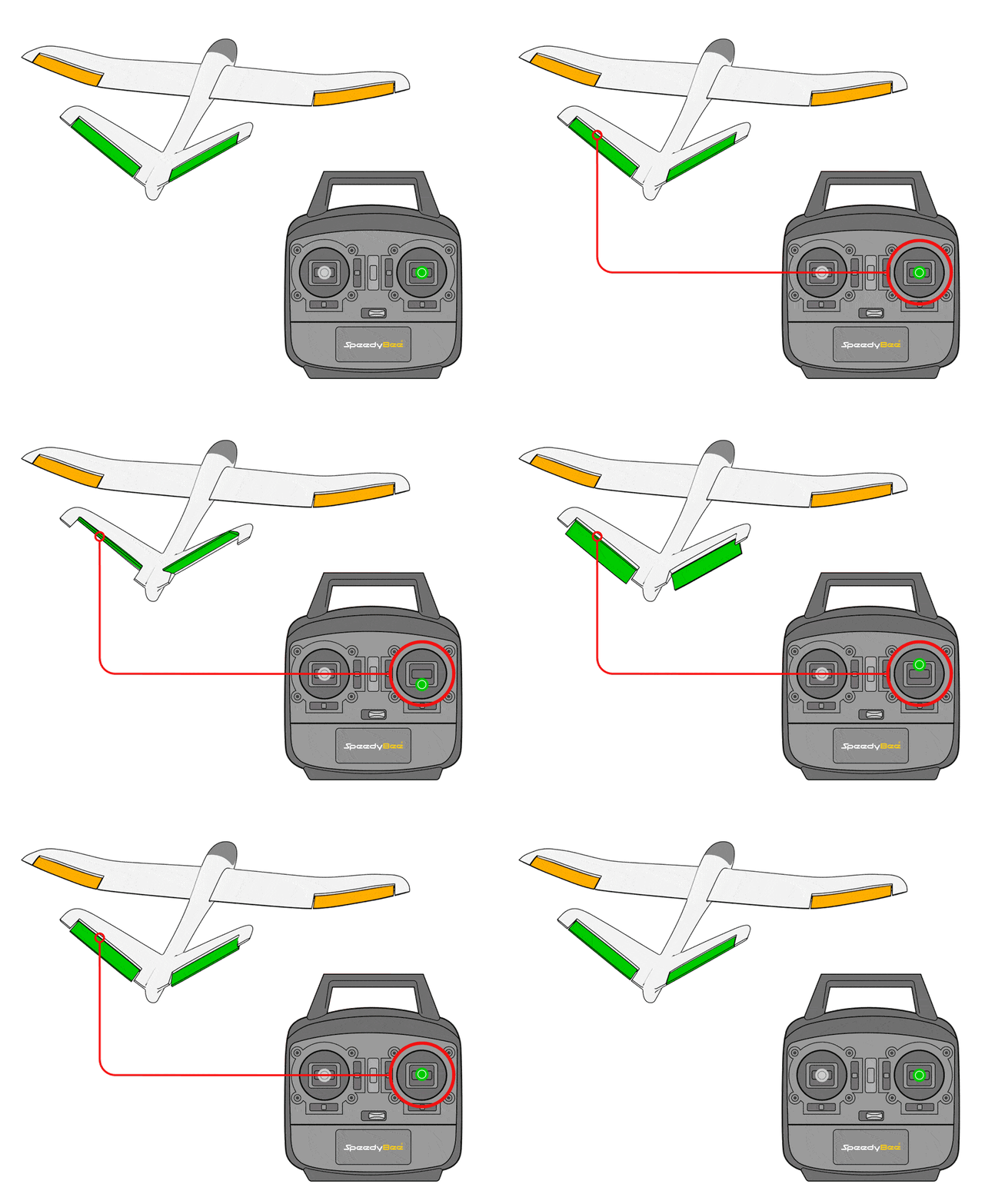
- When moving the rudder stick left, the feedback is both control surfaces moving left simultaneously.
- When moving the rudder stick right, the feedback is both control surfaces moving right simultaneously.
4. Control Surface Inspection for Flying Wing Aircraft (Aileron and Elevator Mixing)
a. Control Surface Feedback Inspection in Stabilize Mode
Important
Switch flight mode to FBWA (AP) / ANGLE (INAV)
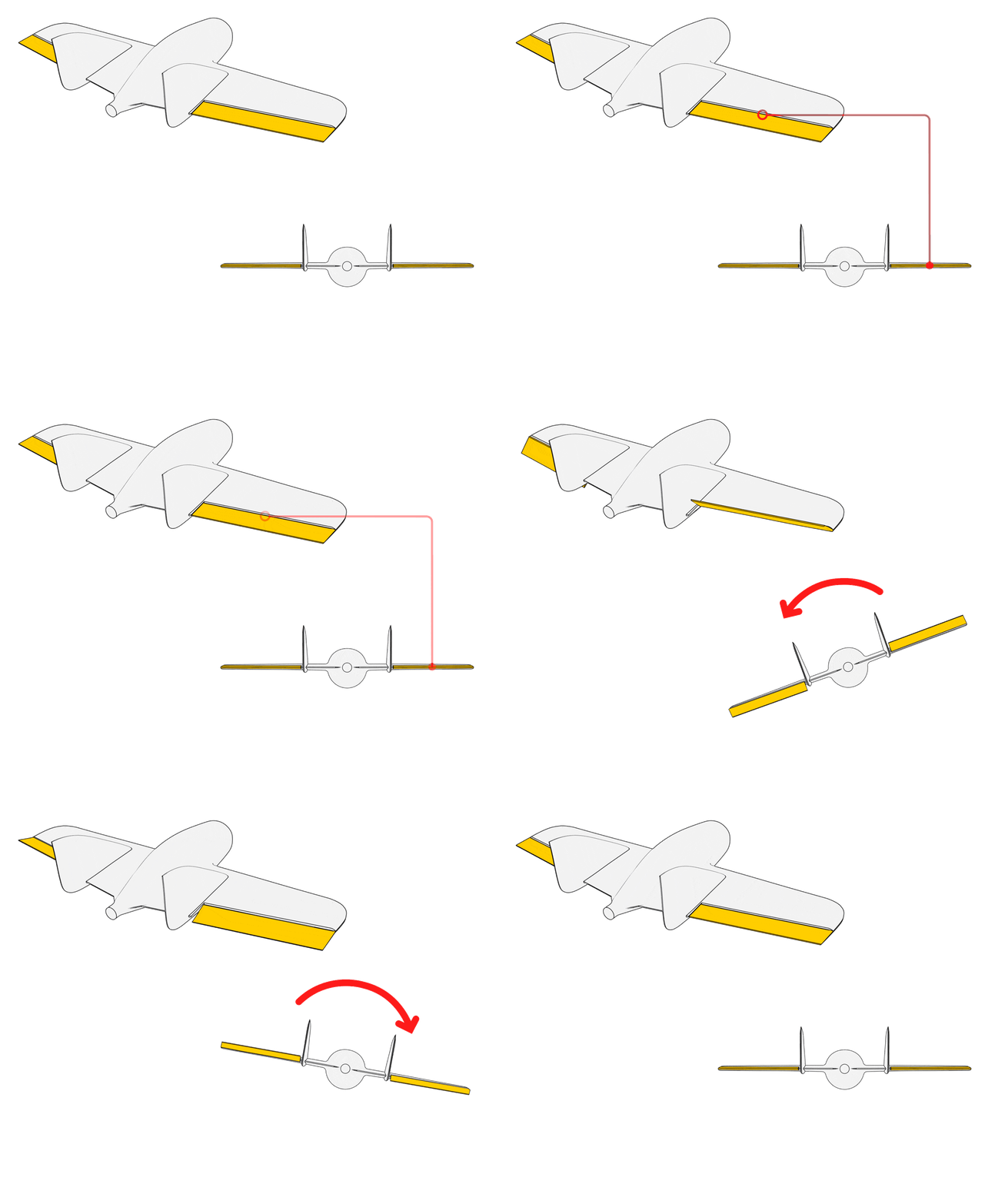
- When the aircraft rolls left, the left wing control surface moves down, and the right wing control surface moves up.
- When the aircraft rolls right, the left wing control surface moves up, and the right wing control surface moves down.
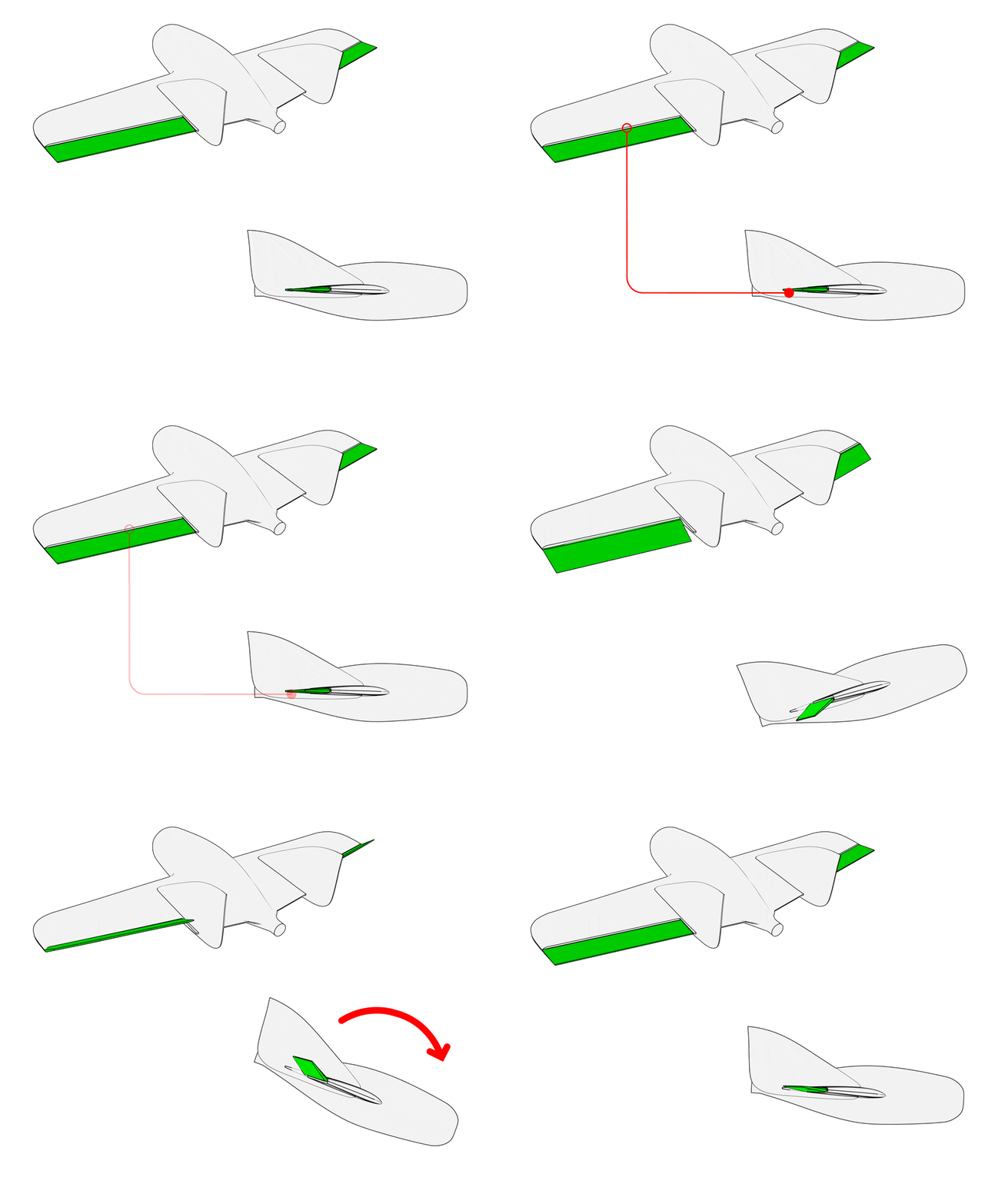
- When the aircraft pitches up, the feedback is both control surfaces moving down simultaneously.
- When the aircraft pitches down, the feedback is both control surfaces moving up simultaneously.
b. Control Surface Feedback Inspection for RC Transmitter Inputs
Important
Switch flight mode to ACRO (AP) / ACRO (INAV)
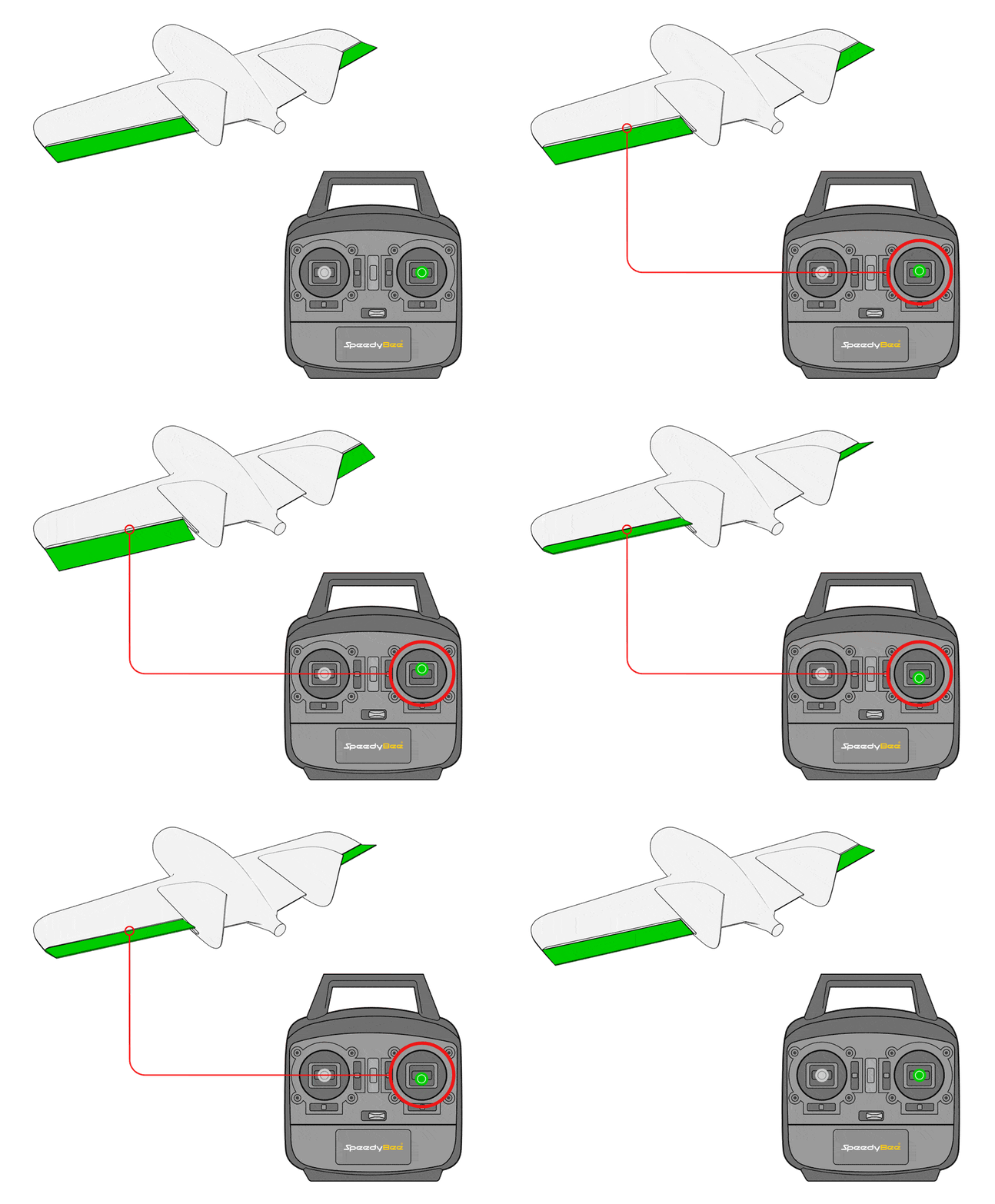
- When moving the aileron stick left, the feedback is the left wing control surface moving up and the right wing control surface moving down.
- When moving the aileron stick right, the feedback is the left wing control surface moving down and the right wing control surface moving up.
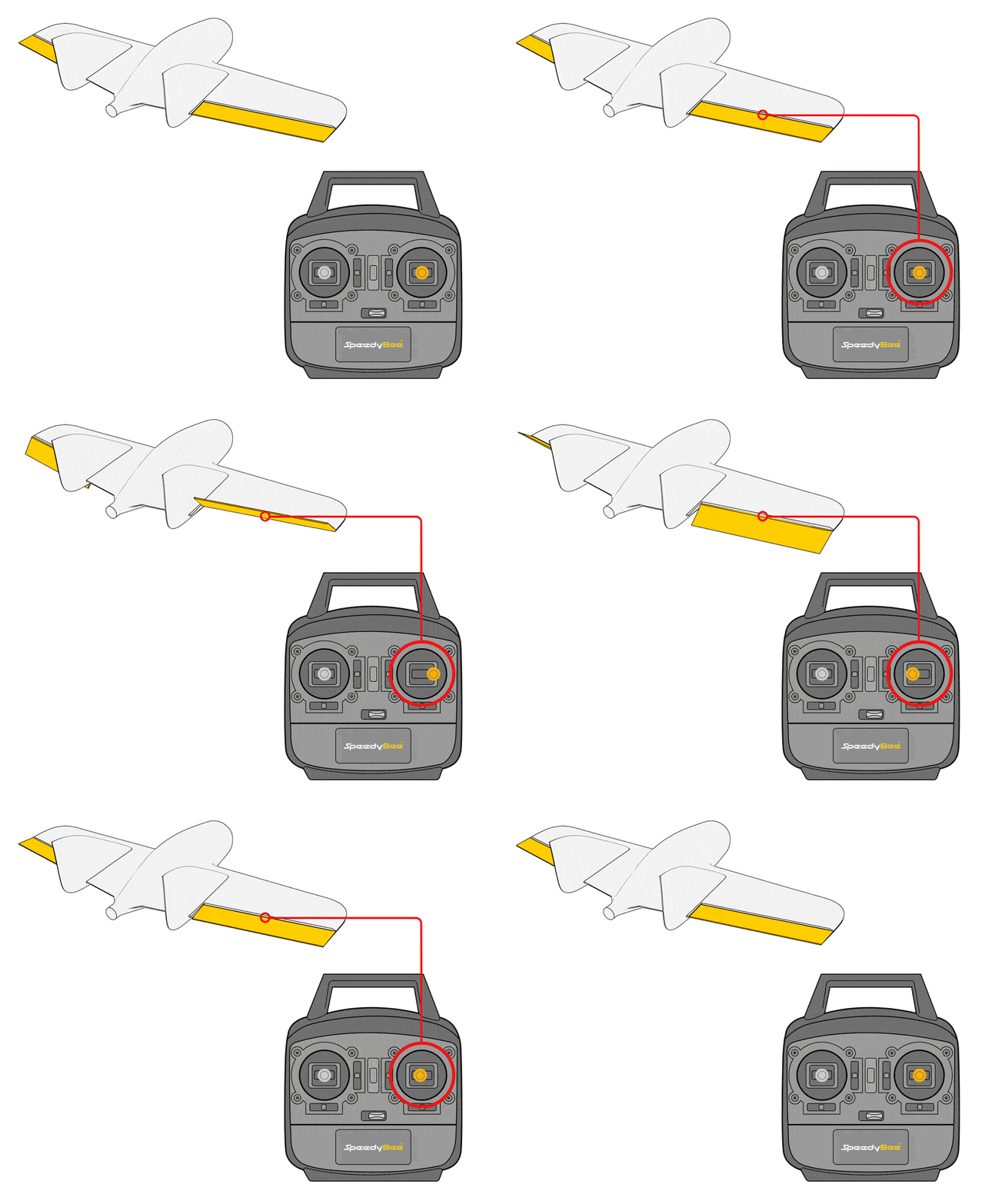
- When moving the elevator stick up, the feedback is both control surfaces moving down simultaneously.
- When moving the elevator stick down, the feedback is both control surfaces moving up simultaneously.
5. How to Correct Incorrect Control Surface Feedback
Important
**When correcting control surface feedback, first perform the control surface feedback inspection in Stabilize mode, then